30+ years of experience in professional Landscape management serving the Rogue Valley
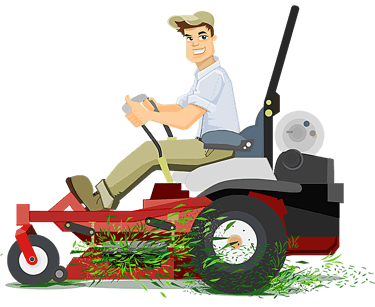
The Complete Lawn Care Guide for Homeowners...
We've taken care of lawns across the Rogue Valley for years, and we've seen it all, the scorched summers, the soggy springs, and every lawn problem in between. Here's the advice we'd give our neighbors.
A Great Lawn Doesn't Happen by Accident
A lush, green lawn is one of the first things people notice about your home, and one of the most rewarding things to maintain. The good news? You don't need to be a professional to get great results. With the right routine and a little seasonal know-how, any homeowner can grow a lawn they're proud of.
This guide walks you through everything you need: the core care habits, what to do each season, and the mistakes that quietly kill an otherwise healthy yard.
The Core Lawn Care Steps
1. Mow at the Right Height
Cutting your grass too short is one of the most common, and damaging, things homeowners do. Most cool-season grasses (like fescue, Rye and bluegrass) thrive at 3 to 3.5 inches, while warm-season grasses (like Bermuda and zoysia) prefer 1.5 to 2.5 inches. A good rule of thumb: never remove more than one-third of the blade in a single mow. Taller grass shades the soil, retains moisture, and naturally crowds out weeds.
2. Water Deeply, Not Often
Frequent shallow watering trains roots to stay near the surface, where they're vulnerable to heat and drought. Instead, water deeply 3 to 4 times per week, giving your lawn about 1 inch of water total. Early morning is the best time; evening watering can encourage fungal growth.
Not sure if you're watering enough? Set an empty tuna can on the lawn while you run the sprinkler. When it's full, you're done.
3. Fertilize on a Schedule
Grass needs nutrients to grow thick and green, but timing matters as much as the product. Over-fertilizing in summer can burn your lawn; under-fertilizing in fall means a weak start to spring.
A basic schedule for most lawns:
Spring, a balanced starter fertilizer to wake things up
Summer, a slow-release nitrogen formula
Fall, your most important application; this builds root strength for winter
Winter, an optional winterizer to carry nutrients through dormancy
4. Aerate
Over time, soil gets compacted, especially in high-traffic areas, which makes it hard for water, air, and nutrients to reach the roots. Aerating (pulling small plugs of soil from the ground) opens things back up.For cool-season grasses, aerate in early fall. For warm-season grasses, late spring is better. If you've never aerated before, this one step alone can dramatically improve your lawn's health.
5. Control Weeds Early
The best weed control is a thick, healthy lawn, weeds struggle to take hold where grass is dense. But when they do appear, address them early.
Pre-emergent herbicides prevent weed seeds from germinating (apply in early spring before soil temps hit 55°F)
Post-emergent herbicides target weeds that are already growing
For small patches, hand-pulling after rain when soil is soft is surprisingly effective
Seasonal Lawn Care Tips
🌱 Spring
Rake out dead thatch and debris left over from winter
Apply pre-emergent weed control before weeds germinate
Overseed any thin or bare patches
Resume mowing as grass starts actively growing
☀️ Summer
Raise your mower height slightly, taller grass handles heat stress better
Water in the early morning to reduce evaporation
Hold off on heavy fertilizing during heat waves
Watch for grubs and surface insects, which are most active in midsummer
🍂 Fall
This is your lawn's most important season, don't skip it
Aerate and overseed for thicker spring growth
Apply a fall fertilizer to strengthen roots before dormancy
Keep mowing until growth stops; leave the final height a little shorter to prevent snow mold
❄️ Winter
Avoid walking on frozen or frost-covered grass, it damages the blades
Clear leaves before they mat down and smother the turf
Service your mower and equipment so you're ready for spring
Common Mistakes to Avoid
Mowing with dull blades. Dull blades tear the grass instead of cutting it cleanly, leaving ragged tips that turn brown and invite disease. Sharpen your blades at least once a season.
Watering every day. Daily light watering keeps roots shallow and weak. Deep, infrequent watering builds a drought-resistant lawn.
Ignoring soil health. Grass is only as good as the soil it grows in. If your lawn struggles despite good care, get a soil test, a pH imbalance or nutrient deficiency could be the culprit. Most local extension offices offer low-cost tests.
Skipping fall care. Many homeowners coast through fall and wonder why their lawn looks rough in spring. Fall is when grass rebuilds its root system. Don't skip the fertilizer and aeration.
Overreacting to brown patches. Not every brown spot is a crisis. In summer, grass naturally goes semi-dormant in heat. Check your watering schedule before reaching for chemicals.
Consistency Beats Perfection
You don't need a complicated system or expensive products to have a great lawn. What you need is a consistent routine, a little seasonal attention, and the patience to let grass do what it naturally wants to do, grow.
Start with the basics: mow at the right height, water deeply, and fertilize in fall. Build from there.
Consistency Beats Perfection
You don't need a complicated system or expensive products to have a great lawn. What you need is a consistent routine, a little seasonal attention, and the patience to let grass do what it naturally wants to do, grow.
Start with the basics: mow at the right height, water deeply, and fertilize in fall. Build from there.
Rogue Valley Lawn and Garden
Explore our connected pages for seamless navigation.
Contact Us:
How can we assist you?
Mark@roguevalleylawnandgarden.com
541-621-4033
© 2026. All rights reserved.